

RELIGION

WATCH: White 'Preacher' Storms Pastor Jamal Bryant's Church to Disrupt Service

God Is Revealing His Powers Through Black People Now The Old White Oppressers Can't Breathe
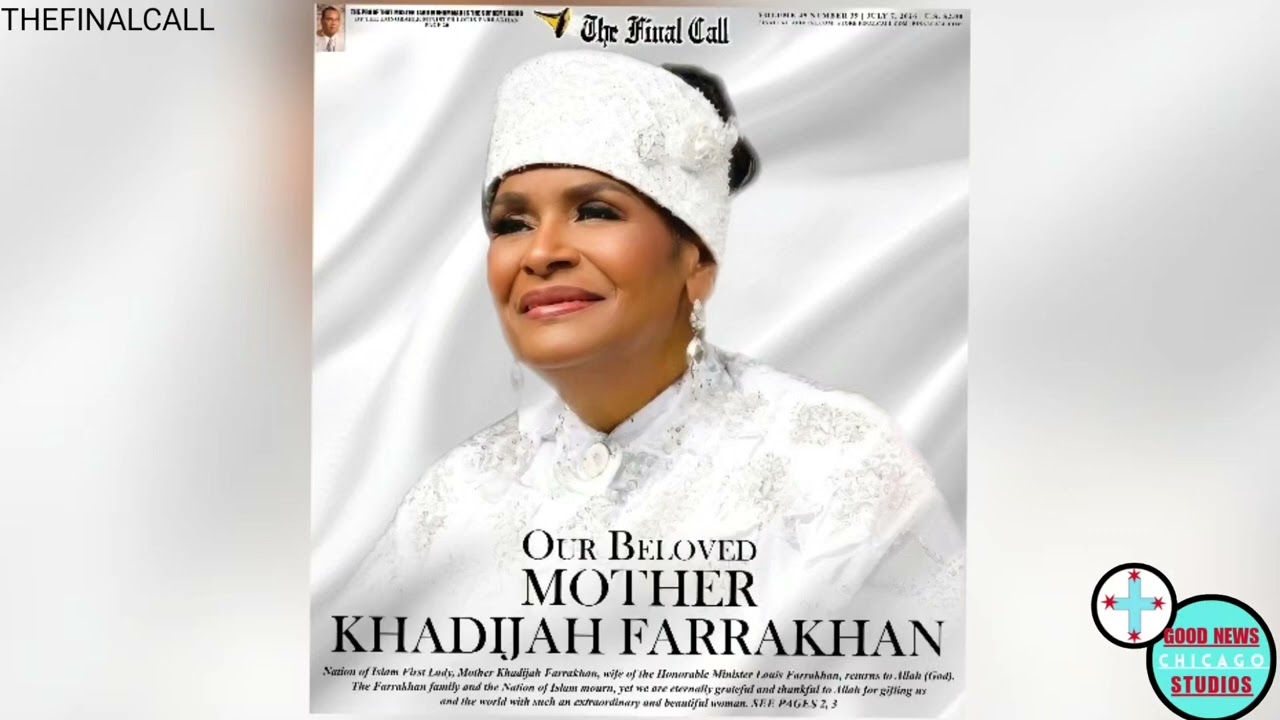
Public visitation takes place today for Mother Khadijah Farrakhan, wife of Minister Louis Farrakhan.

The Complete 3500-Year-Old History Of Black Israel (Full Bible Movie 4K)

State Moves to Force Bibles in Public Schools

White Folks FINALLY Admit This Truth About Black Americans 👉 The Real Israelites #mustwatch

Exploring Black Biblical Roots: Identity, Agency, and Historical Truth
Religion has long been a source of strength, identity, and community for Black people across the African diaspora. From ancestral spiritual traditions to the powerful role of the Black church, religion has carried generations through triumph and trial, shaping culture, fueling resistance, and anchoring hope. This sacred inheritance continues to guide communities worldwide, reminding the diaspora of its divine lineage and unbreakable connection to something truly greater.
Why Does It Matter?
Because knowing your roots strengthens identity
For many Black people across the diaspora, ancestral lines were intentionally broken. Exploring biblical connections becomes one way to rebuild a sense of continuity—especially since the world of the Bible is Afro-Asiatic, not European. Understanding that the biblical story unfolded in regions tied to Africa and the ancient Near East helps people see themselves as part of the narrative, not outside it.
Because the Bible was used to harm—and reclaiming it is healing
During slavery and colonialism, Scripture was weaponized to justify oppression. That misuse created generational wounds. Learning the fuller, historically accurate context of the Bible allows Black and melanated people to separate the text from the distortions imposed on it. That's a powerful act of liberation.
Because representation in sacred history shapes self-worth
When biblical figures are consistently portrayed as European—even though the geography says otherwise—it subtly teaches that holiness, chosenness, and divine favor look a certain way. Relearning the Afro-Asiatic setting of scripture restores a sense of belonging and counters internalized narratives of inferiority.
Because Africa is central—not peripheral—to the biblical world
The Bible mentions Cush (Ethiopia/Sudan), Egypt, Libya, Nubia and describes these nations as powerful, influential, and deeply connected to Israel's story. Early Christianity also flourished in Africa long before it reached Europe. That matters because it corrects the idea that Christianity is inherently Western.
Because reclaiming history builds cultural confidence
When Black people understand that their ancestors were part of the ancient world's spiritual and political landscape, it reshapes how they see themselves today. It's not about claiming superiority—it's about restoring truth where erasure once existed.
For many Black and melanated people, exploring Black biblical roots is ultimately about healing, empowerment, and clarity.
It's a way to reconnect with a story that has always included them, even when history books and artwork suggested otherwise.

King David
King David's battle with Goliath is one of the most enduring stories of courage and faith in the Hebrew Bible. As a young shepherd, David faced the giant warrior Goliath not with armor or strength, but with unwavering trust in God and a simple sling. His victory became a powerful symbol of how faith can empower the seemingly powerless to overcome overwhelming odds. The story continues to inspire generations as a reminder that conviction, purpose, and spiritual confidence can triumph over fear and intimidation.
Note: 1 Samuel 16:12 and 1 Samuel 17:42 describe David as ruddy (non-white, reddish brown).


From Solomon’s Temple to the U.S. White House: Black Builders Shaped Faith and New Worlds
Across centuries, Black people have been builders—of structures, of communities, and of faith. From the skilled laborers who helped raise Solomon’s Temple to the enslaved Africans whose craftsmanship shaped the foundations of the United States, Black hands have long constructed the sacred and the civic. These images remind us that building has never been just physical work; it has been a spiritual calling.
In every era, Black builders carried with them traditions of resilience, creativity, and divine purpose, drawing strength from ancestral faith even when their names were forgotten or their contributions erased. Their labor stands as a testament to a people who have continually created, restored, and uplifted despite oppression.
By placing these two moments side by side—an ancient holy site and a modern national symbol—we honor the continuity of Black religious identity and the enduring belief that God moves through human hands. This legacy of faith-filled craftsmanship continues to shape Black communities today, reminding us that building is both a spiritual inheritance and an act of hope for generations to come.